Tsum Valley and Manaslu Circuit Trek – 20 Days
Trip Facts
Country:
Nepal
Duration:
20 Days
Max Altitude:
5,106 m / 16,752 ft
Activities:
Trekking
Region:
Manaslu Region
Start / End:
Kathmandu / Kathmandu
Transportation:
Tourist buses and shared jeeps
Grade:
Strenuous
Group Size:
Min 2
Accomodation:
Hotel and teahouse lodges
Trips Overview
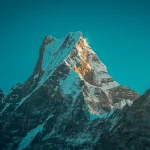
This trek joins two of Nepal’s quietest trails. First you turn off the Manaslu route into the Tsum Valley, a Tibetan Buddhist valley close to the Tibet border that only opened to trekkers in 2008. Then you rejoin the Manaslu Circuit, walk around Manaslu (8,163 m), the eighth-highest mountain in the world, and cross the Larkya La (5,106 m) into the Annapurna region.
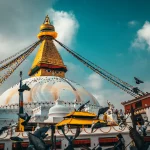
Tsum is known as a beyul, a sacred hidden valley. The Tibetan Buddhist saint Milarepa is said to have meditated in its caves, and the Tsumba people still speak their own Tibetan dialect. You walk past long mani walls and chortens to Mu Gompa, the biggest monastery in the valley, and stop at the nunnery of Rachen Gompa on the way.
The days in Tsum, with three nights above 3,000 m and a walk up to Mu Gompa at 3,700 m, give your body a head start on the altitude. Later, two nights in Sama Gaun below Manaslu, with hikes to Pungyen Monastery and towards Manaslu Base Camp, get you ready for the pass.
This is a long, demanding trek for fit walkers. Days are 5–7 hours on rough trails, lodges are simple, and pass day takes 8–10 hours. You don’t need climbing skills, but earlier multi-day trekking experience helps a lot.
Go in spring (March–May) or autumn (late September–November). Snow can close the pass in winter, and the monsoon brings landslides to the lower valleys.
Trip at a Glance
The trip takes 20 days from Kathmandu, with 16 days on the trail and a high point of 5,106 m at the Larkya La pass.
| Duration | 20 days (16 trekking days) |
|---|---|
| Start and end | Kathmandu; the walk starts at Machha Khola and ends at Tilije |
| Highest point | Larkya La pass, 5,106 m / 16,752 ft |
| Difficulty | Strenuous; long days and a high pass, but no climbing skills needed |
| Walking per day | 3–10 hours (5–7 hours on most days) |
| Acclimatization | Six days in the Tsum Valley, up to 3,700 m at Mu Gompa, then 2 nights in Sama Gaun before the pass |
| Best seasons | Spring (March–May) and autumn (late September–November) |
| Accommodation | Hotel in Kathmandu; teahouse lodges and village homes on the trek; hotel in Besisahar |
| Meals | Breakfast in Kathmandu; breakfast, lunch and dinner on the trek |
| Transport | Shared jeep to Machha Khola and from Tilije to Besisahar; tourist bus back to Kathmandu |
| Permits | Manaslu and Tsum Valley Restricted Area Permits, Manaslu Conservation Area Permit (MCAP), Annapurna Conservation Area Permit (ACAP) and TIMS card |
Trips Highlights
- Walk into the Tsum Valley, a sacred hidden valley near the Tibet border that opened to trekkers only in 2008
- Visit Mu Gompa (3,700 m), the biggest monastery in Tsum, and the nunnery of Rachen Gompa
- See Piren Phu, the cave where the Buddhist saint Milarepa is said to have meditated
- Stay in Tsumba villages such as Chumling, Chhokangparo and Nile, where people speak their own Tibetan dialect
- Walk all the way around Manaslu (8,163 m), the eighth-highest mountain in the world
- Cross the Larkya La (5,106 m), the highest point of the trek
- Hike to Pungyen Monastery and towards Manaslu Base Camp (4,800 m) from Sama Gaun
- Follow the Budhi Gandaki river up a deep gorge on an old salt-trading route
- Pass hundreds of mani walls, chortens and prayer flags on two of Nepal's quietest trails
Route: Kathmandu → Machha Khola → Jagat → Lokpa → Chumling → Chhokangparo → Nile → Mu Gompa → Nile → Chumling → Deng → Namrung → Shyala → Pungyen Monastery → Sama Gaun → Manaslu Base Camp → Samdo → Dharamsala → Larkya La → Bhimtang → Tilije → Besisahar → Kathmandu
The walking starts at Machha Khola on Day 3. On Day 4 you leave the main Manaslu trail and spend six days in the Tsum Valley, then rejoin the circuit at Deng on Day 10 and follow it around Manaslu to the Larkya La on Day 17. Walking times are for an average trekker and include short breaks.
Tsum is very remote. Lodges are simple and some are family homes, so bring patience and a sense of humour along with your warm layers.
Trips Itinerary
Our team will be waiting at Tribhuvan International Airport to take you to your hotel. Rest for a few hours after the flight.
Your guide comes by later to talk through the 20 days ahead, look over your gear and take your passport details. This trip crosses two restricted areas, Tsum and Manaslu, and both permits are prepared in Kathmandu before you leave.
Use any spare time to pick up last items in Thamel. The shared jeep leaves early tomorrow, and the ride lasts most of the day.
Duration:
20–30 minute airport transfer
Accommodation:
Hotel in Kathmandu
Max Altitude:
1,400 m / 4,593 ft (Kathmandu)
The shared jeep leaves the Kathmandu valley heading west, drops to the Trishuli River and then turns north through Dhading Besi to Arughat, where the Budhi Gandaki valley begins.
Beyond Arughat, the last part of the drive is on a slow dirt road above the river, and the whole journey takes 9–10 hours with breaks. In the rainy season, rocks sometimes fall onto the road near Soti Khola.
Machha Khola is a low, warm village at 930 m, with banana trees and the sound of the river. The days ahead get steadily colder, so make the most of it.
Duration:
9–10 hours by shared jeep
Accommodation:
Teahouse in Machha Khola
Max Altitude:
1,400 m / 4,593 ft (Kathmandu)
Meals:
Breakfast, lunch, dinner
A day of river walking up the Budhi Gandaki. The trail climbs over rocky ridges and drops back to the water, crossing it on suspension bridges, past Khorlabesi and Tatopani, whose small hot spring is a good excuse for a break.
After Dobhan, the trail passes the Yaru area, where loose stones sometimes roll down onto the riverbank, so your guide keeps the group moving.
Jagat (1,340 m) has flagstone lanes and the checkpoint for the restricted area, where your guide registers your permits for the days ahead.
Duration:
6–7 hours
Accommodation:
Teahouse in Jagat
Max Altitude:
1,340 m / 4,396 ft (Jagat)
Meals:
Breakfast, lunch, dinner
You climb out of the gorge to Philim (1,570 m), a big Gurung village, and walk on through pine forest. Past Ekle Bhatti the trail splits, and while the Manaslu route carries on up the main valley, you turn into the Tsum Valley.
Tsum only opened to trekkers in 2008. Its people call it a beyul, a sacred hidden valley, and many of its traditions are closer to Tibet than to the rest of Nepal.
A steep climb brings you to Lokpa (2,240 m), the first village in Tsum. From here on you’ll hear the Tsumba people’s own Tibetan dialect.
Duration:
6–7 hours
Accommodation:
Teahouse in Lokpa
Max Altitude:
2,240 m / 7,349 ft (Lokpa)
Meals:
Breakfast, lunch, dinner
The trail winds through pine and rhododendron forest above the Shiar Khola, the river that drains Tsum, with a few short, steep climbs. Parts of the far side of the valley, around Chumchet, have been hit by landslides in recent monsoons, and your guide checks the state of the trail before you set off.
Chumling (2,386 m) is the main village of Lower Tsum, with an old monastery, stone houses and fields of barley and buckwheat. On a clear day the Ganesh Himal range shows to the south.
It’s a shorter day of 4–5 hours, which leaves the afternoon to explore the village.
Duration:
4–5 hours
Accommodation:
Teahouse in Chumling
Max Altitude:
2,386 m / 7,828 ft (Chumling)
Meals:
Breakfast, lunch, dinner
Today you climb into Upper Tsum. The trail crosses the Shiar Khola on a suspension bridge and passes Rainjam before a long, steady climb up the side of the valley.
Chhokangparo, also called Chhekampar, is really two villages, Chhokang and Paro, on a wide shelf above the river at about 3,031 m. Behind you, the views of the Ganesh Himal get better the higher you climb.
It’s noticeably colder up here, especially once the sun goes down, so keep a warm layer in your daypack.
Duration:
5–6 hours
Accommodation:
Teahouse in Chhokangparo
Max Altitude:
3,031 m / 9,944 ft (Chhokangparo)
Meals:
Breakfast, lunch, dinner
A day full of history. You pass Lamagaon and Rachen Gompa, a nunnery you can visit when the nuns aren’t at prayer, and the caves of Piren Phu, where the Tibetan Buddhist saint Milarepa is said to have meditated. Local tradition holds that Guru Rinpoche also came to this valley.
Walk on past Chhule to Nile (3,361 m), one of the last villages before the border. The stone houses here are built close together against the wind, and the hillsides are bare and brown.
Duration:
4–5 hours
Accommodation:
Teahouse in Nile
Max Altitude:
3,361 m / 11,027 ft (Nile)
Meals:
Breakfast, lunch, dinner
Today you walk up the valley to Mu Gompa, the largest monastery in Tsum, at about 3,700 m and a couple of hours above Nile. The trail follows the Shiar Khola up a wide, open valley with few trees, past mani walls and grazing yaks, and the Tibet border lies just beyond the head of the valley.
Tsum is part of Kyimolung, a sacred hidden land. Pilgrims once walked a circuit of about 120 km around it, crossing into Tibet and back; today most keep to the Nepal side.
If the monks are around, they may show you the prayer hall. The walk up to 3,700 m also helps your acclimatization before you come back down to Nile for the night.
Duration:
4–5 hours round trip
Accommodation:
Teahouse in Nile
Max Altitude:
3,700 m / 12,139 ft (Mu Gompa)
Meals:
Breakfast, lunch, dinner
A long day back down the valley, 7–8 hours, mostly on the trail you came up. You pass Chhule, the Piren Phu caves and Rachen Gompa again, and the views down the valley towards the Ganesh Himal are in front of you this time.
From Chhokangparo the trail drops steadily past barley fields and stone houses to the river and on to Chumling. Your knees will feel the descent, so use your poles and take short steps.
After several cold nights, the warmer, thicker air of Lower Tsum makes for a good night’s sleep.
Duration:
7–8 hours
Accommodation:
Teahouse in Chumling
Max Altitude:
3,361 m / 11,027 ft (Nile)
Meals:
Breakfast, lunch, dinner
You leave Tsum the way you came in, dropping through forest to the point where the Shiar Khola meets the Budhi Gandaki and the Tsum trail rejoins the Manaslu route.
There you turn north and follow the Budhi Gandaki upstream through a deep, rocky gorge, crossing it on high bridges, past the small settlement of Pewa.
Deng (1,860 m) sits where the gorge starts to open out. It’s a quiet stop with a few simple lodges, and the first mani stones of the Nubri valley appear along the path.
Duration:
6–7 hours
Accommodation:
Teahouse in Deng
Max Altitude:
2,386 m / 7,828 ft (Chumling)
Meals:
Breakfast, lunch, dinner
The trail crosses the river and climbs past Bihi and Ghap into Nubri, the upper Budhi Gandaki valley, running beside long walls of stones carved with prayers. As in Tsum, keep them on your right.
Above Ghap the path climbs through pine and rhododendron forest, where grey langur monkeys sometimes feed in the trees, and crosses side streams on wooden bridges.
Namrung (2,660 m) is a busy village with a permit checkpoint and comfortable lodges. In the afternoon, look back down the valley for your first wide views of the snow peaks.
Duration:
6–7 hours
Accommodation:
Teahouse in Namrung
Max Altitude:
2,660 m / 8,727 ft (Namrung)
Meals:
Breakfast, lunch, dinner
Above Namrung, the villages start to look like Tibet: flat-roofed stone houses, barley fields and prayer flags on every roof. You walk through Lihi and Sho to Lho (3,180 m).
Ribung Monastery, a short climb above Lho, looks straight across the valley at Manaslu, the eighth-highest mountain in the world. Go up if you have the energy.
From Lho, about an hour of easy walking brings you to Shyala (3,500 m), a small village surrounded by fields and peaks.
Duration:
5–6 hours
Accommodation:
Teahouse in Shyala
Max Altitude:
3,500 m / 11,483 ft (Shyala)
Meals:
Breakfast, lunch, dinner
Today’s detour climbs through juniper and grassland to Pungyen Monastery, at about 4,000 m, tucked right under Manaslu’s glaciers. It’s a quiet, windswept place, and the ice of the mountain feels very close.
Sama Gaun is the biggest village in Nubri, with stone houses, potato fields and a monastery at the foot of Manaslu. Expeditions climbing the mountain pass through here on their way to base camp, and a Japanese team made the first ascent in 1956.
You spend two nights here, so unpack, rest and drink plenty.
Duration:
5–6 hours
Accommodation:
Teahouse in Sama Gaun
Max Altitude:
4,000 m / 13,123 ft (Pungyen Monastery)
Meals:
Breakfast, lunch, dinner
A climb-high, sleep-low day. Just outside the village you pass Birendra Lake, a glacier lake named after Nepal’s late King Birendra, before a steep path climbs the ridge beside the Manaslu Glacier.
The full climb towards Manaslu Base Camp (4,800 m) is about 1,300 m, and you can turn around whenever you’ve had enough. Even halfway, the icefall views are worth the effort. Back in Sama Gaun, eat well and rest.
Duration:
7–8 hours round trip
Accommodation:
Teahouse in Sama Gaun
Max Altitude:
4,800 m / 15,748 ft (Manaslu Base Camp)
Meals:
Breakfast, lunch, dinner
A gentle half-day along the river through juniper and yak pastures. The valley opens out, the trees disappear, and the land looks more and more like the Tibetan plateau ahead.
A short climb brings you to Samdo (3,860 m), a village of yak herders and the last settlement before the Tibet border on this side of the mountain.
Spend the afternoon resting, with a short walk up the hillside behind the village to help your body adjust before you sleep.
Duration:
3–4 hours
Accommodation:
Teahouse in Samdo
Max Altitude:
3,860 m / 12,664 ft (Samdo)
Meals:
Breakfast, lunch, dinner
The trail drops to the Budhi Gandaki one more time, then climbs steadily across bare, stony slopes with glaciers hanging from the peaks above. Walk slowly: you’re now above 4,000 m, and even small rises leave you short of breath.
Dharamsala (4,460 m), also known as Larke Phedi, is the last shelter below the pass. Its few lodges are basic, and rooms are often shared in busy months.
Have an early dinner and get to bed, because the alarm goes off before 4. Fill your water bottles tonight and keep them in your sleeping bag so they don’t freeze.
Duration:
4–5 hours
Accommodation:
Teahouse in Dharamsala
Max Altitude:
4,460 m / 14,633 ft (Dharamsala)
Meals:
Breakfast, lunch, dinner
Pass day. You set off in the dark with headlamps, climbing slowly beside the glacier and then over rock and snow. Most people reach the prayer flags on the Larkya La (5,106 m) after 3–5 hours.
On a clear morning there are glaciers and peaks on every side, including Himlung Himal and Annapurna II. Then comes a long, steep descent of about 1,500 m to Bhimtang (3,590 m), loose underfoot at first.
If snow or weather makes the pass unsafe, your guide may wait a day at Dharamsala. Please leave 1–2 spare days before your flight home.
Duration:
8–10 hours
Accommodation:
Teahouse in Bhimtang
Max Altitude:
5,106 m / 16,752 ft (Larkya La)
Meals:
Breakfast, lunch, dinner
Below Bhimtang the trail drops back into forest of pine and rhododendron, following the Dudh Khola past Karche and Gho to Tilije (2,300 m), where the road starts. After so many days above the tree line, the green feels almost strange.
A shared jeep takes you on through Dharapani and down the Marsyangdi valley, the same valley that Annapurna Circuit trekkers walk up, to Besisahar. The 4-hour ride is rough, but a hot shower and a real bed are waiting at the end.
Duration:
5–6 hours walking, then about 4 hours by shared jeep
Accommodation:
Hotel in Besisahar
Max Altitude:
3,590 m / 11,778 ft (Bhimtang)
Meals:
Breakfast, lunch, dinner
The tourist bus back to Kathmandu covers about 180 km and takes 6–7 hours, depending on traffic. Spend the afternoon resting or shopping in Thamel.
In the evening we meet for a farewell dinner to celebrate twenty days on the trail.
Duration:
6–7 hours by tourist bus (about 180 km)
Accommodation:
Hotel in Kathmandu
Max Altitude:
1,400 m / 4,593 ft (Kathmandu)
Meals:
Breakfast, farewell dinner
After breakfast, we take you to Tribhuvan International Airport, about 3 hours before your flight. With extra days, ask us about Chitwan National Park, a Kathmandu heritage tour or a few quiet days in Pokhara.
Max Altitude:
1,400 m / 4,593 ft (Kathmandu)
Meals:
Breakfast
Trips Include
The price covers your transport, all five permits, guide, porters, lodges and trail meals from arrival to departure. Personal costs and insurance are extra.
- Airport pick-up and drop-off by private vehicle
- 2 nights in a hotel in Kathmandu with breakfast (twin sharing)
- Kathmandu to Machha Khola by shared jeep
- Shared jeep from Tilije to Besisahar
- Besisahar to Kathmandu by tourist bus
- 16 nights in teahouse lodges and 1 night in a hotel in Besisahar (twin sharing where available)
- Three meals a day during the trek (breakfast, lunch and dinner), with tea or coffee
- Experienced, government-licensed, English-speaking trekking guide trained in first aid
- Porter service: one porter for every two trekkers, carrying up to 10 kg per trekker
- Salaries, meals, accommodation, insurance and transport for your guide and porters
- Manaslu Restricted Area Permit
- Tsum Valley Restricted Area Permit
- Manaslu Conservation Area Permit (MCAP)
- Annapurna Conservation Area Permit (ACAP)
- TIMS card
- Down jacket, sleeping bag and duffel bag for the trek (to be returned afterwards)
- First-aid kit and pulse oximeter, carried by your guide for daily oxygen checks
- Trekking map and trip completion certificate
- Farewell dinner in Kathmandu
- Emergency rescue arrangements (paid for by your travel insurance)
- All government taxes, VAT and company service charges
Trips Exclude
- International flights to and from Kathmandu
- Nepal visa fee (visas on arrival are available for most nationalities)
- Travel insurance covering trekking up to 5,500 m and emergency helicopter rescue (mandatory)
- Lunch and dinner in Kathmandu, except the farewell dinner
- Extra nights caused by early arrival, late departure, bad weather on the pass or an early return from the trek
- Personal expenses such as hot showers, battery charging, Wi-Fi, laundry and phone calls
- Bottled or boiled water, soft drinks, alcohol, snacks and extra hot drinks
- Personal trekking clothing and equipment
- Kathmandu sightseeing tours and entry fees
- Tips for your guide, porters and driver
- Anything not listed under Cost Includes
Trips Altitude
Good to Know
Most days start at 6:30, and you’re walking by 7:30. Lunch is at a lodge or a family kitchen on the way, and you usually arrive by mid-afternoon with time to rest and explore the village.
Evenings are short and quiet. Dinner is around 6:30, often by the family stove in Tsum.
Many places to stay in Tsum are family homes with a few guest rooms. Take your shoes off where the family does, ask before going into the kitchen or prayer room, and don’t touch altars or religious objects.
Rooms are basic and may have no lock or light, so a headlamp and a little patience go a long way.
Supplies come in by mule along the Budhi Gandaki and into Tsum. When you hear the bells, step to the uphill side of the trail, away from the edge, and let them pass.
The lower gorge is hot and humid. Upper Tsum and the Manaslu side above Sama Gaun are cold at night, and Dharamsala is well below freezing.
Mornings are the clearest time of day. Cloud and wind usually build after midday.
Treat all tap and stream water, or buy boiled water. In Tsum, families can usually boil water for you. Bring tablets or a filter as a backup.
Toilets are usually outside and squat-style, and some homes have no shower at all. Carry toilet paper, hand sanitizer and wet wipes, and wash your hands before every meal.
Tsum is a sacred valley to its people. Walk clockwise around shrines, give way to monks and nuns on the path, and ask before photographing anyone. Dress modestly, especially in monasteries and nunneries.
This is one of the most remote treks in Nepal. Your guide carries a first-aid kit and a pulse oximeter and stays in touch with our office when there’s signal.
In a serious emergency, evacuation is by helicopter and paid for by your travel insurance, so please send us your policy details before the trek.
Carry your rubbish out, avoid plastic bottles and stay on the trail. Please don’t hand out sweets or money. If you’d like to give something, a donation to a monastery or school is better.
Trips FAQs
It’s strenuous, mainly because of its length and the high pass. You walk 5–7 hours on most days for 16 days, on rough and sometimes narrow trails, and pass day takes 8–10 hours. No climbing skills are needed, but you should be fit and have done a multi-day trek before.
Five: restricted area permits for Manaslu and for the Tsum Valley, the Manaslu Conservation Area Permit (MCAP), the Annapurna Conservation Area Permit (ACAP) and a TIMS card. The Tsum permit costs USD 40 a week from September to November and USD 30 a week from December to August, plus USD 7 for each extra day. The Manaslu permit costs USD 100 a week in autumn (plus USD 15 a day) and USD 75 a week the rest of the year (plus USD 10 a day). MCAP and ACAP cost NPR 3,000 each and the TIMS card NPR 2,000. All of them are included.
Not without a licensed guide. Since March 2026, single travellers can get restricted area permits, but the trip must be arranged by a registered agency with a licensed guide. This package has a minimum of two people, so contact us if you’re on your own.
Tsum adds six days in a valley few trekkers see, with old monasteries, a strong Tibetan Buddhist culture and very little traffic on the trail. It also gives your body extra time at altitude before you head for the Larkya La.
Spring (March–May) and autumn (late September–November) give the most settled weather and the safest conditions on the pass. In winter (December–February), snow can close the Larkya La and many lodges in Tsum shut. In the monsoon (June–August), landslides hit the lower trail and cloud hides the peaks.
You spend three nights above 3,000 m in Upper Tsum and walk up to Mu Gompa at 3,700 m. Later you spend two nights in Sama Gaun, with hikes to Pungyen Monastery and towards Manaslu Base Camp, before sleeping at 4,460 m in Dharamsala. Your guide checks your oxygen level every day with a pulse oximeter (a small finger clip), and we go down if symptoms get worse.
Early, cold and long. You start before 4 am, reach the top after 3–5 hours and then walk down about 1,500 m to Bhimtang. Snow and wind are common near the top. If conditions are bad, your guide may hold the group at Dharamsala for a day, so leave 1–2 spare days before your flight home.
Very simple. Many are family homes with a few rooms, shared toilets and a kitchen fire where everyone eats. Hot showers aren’t always available. On the Manaslu side lodges are a little bigger, but Dharamsala has only a few, and rooms there are often shared.
Dal bhat, noodles, potatoes, soups, Tibetan bread and porridge are on offer almost everywhere. Menus in Tsum are short, and families often serve whatever they’ve cooked that day. Prices rise the higher you go, because supplies come in by mule or on porters’ backs.
Don’t count on it. Signal is patchy in Tsum and along much of the Manaslu trail, and Wi-Fi, where it exists, is slow and paid. Charging is often paid by the hour. Let your family know you may be out of touch for a few days.
There are no ATMs anywhere on the trek, so bring all your spending money in Nepali rupees from Kathmandu. Budget USD 20–30 a day for drinks, snacks, charging, Wi-Fi and showers, plus money for tips.
Walk clockwise around chortens, mani walls and prayer wheels, keeping them on your right. Take your shoes off before you go into a monastery, ask before photographing monks, nuns or villagers, and dress modestly. A small donation at the monastery is always welcome.
Rough. The drive to Machha Khola takes 9–10 hours, and the stretch after Arughat is a bumpy dirt road. The shared jeep from Tilije to Besisahar takes about 4 hours on a mountain road. Monsoon landslides can close both roads for hours at a time.
Yes, it’s required. Make sure the policy covers trekking to 5,500 m, helicopter rescue and medical care. In a place this remote, rescue usually means a helicopter, so read that part of your policy carefully.
Tips aren’t compulsory, but they’re part of trekking culture in Nepal. Around 8–10% of the trip cost, shared between your guide and porters at the end, is typical.
Trips Reviews
No reviews found.